As businesses continue to adapt to the digital landscape, cloud computing has become a key enabler of innovation and efficiency. By allowing companies to access computing resources over the internet, cloud technology is transforming how organizations operate, collaborate, and grow.
What is Cloud Computing?
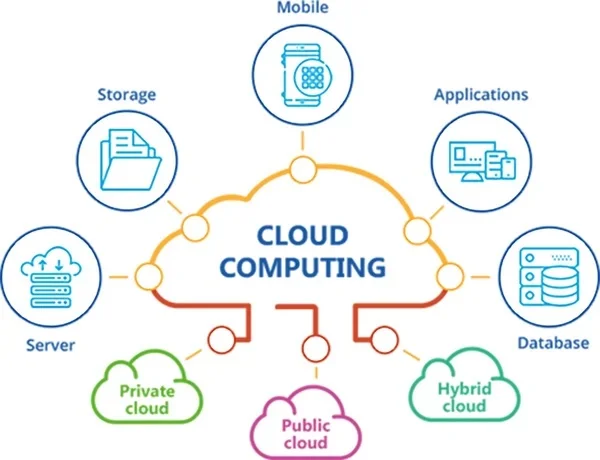
Cloud computing is the delivery of computing services—including servers, storage, databases, networking, software, and analytics—over the internet. This eliminates the need for businesses to manage and maintain physical data centers, offering flexibility and scalability.

How Cloud Computing Transforms Businesses
Cost Efficiency: Companies no longer need to invest in expensive hardware or IT infrastructure. Cloud services operate on a subscription model, allowing businesses to pay only for what they use.
Scalability: The cloud can grow with your business. As your needs expand, you can easily scale up resources without investing in additional infrastructure.
Remote Accessibility: With cloud computing, your team can access data and applications from anywhere, supporting remote work and global collaboration.

Types of Cloud Services
- Infrastructure as a Service (IaaS): Provides virtualized computing resources over the internet.
- Platform as a Service (PaaS): Allows businesses to develop, run, and manage applications without dealing with the underlying infrastructure.
- Software as a Service (SaaS): Delivers software applications over the internet, typically on a subscription basis.
Industries Benefiting from Cloud Technology
Healthcare: Cloud computing enhances data management, enabling better patient care and easier collaboration between healthcare providers.
Retail: Retailers can manage online stores, analyze customer behavior, and personalize marketing through cloud solutions.
Finance: Financial institutions use the cloud for secure data storage, regulatory compliance, and enhanced customer experiences.
Cloud Security: A Key Concern
While cloud computing offers numerous benefits, security remains a priority. Providers invest in robust security measures, including data encryption and multi-factor authentication, to protect sensitive information. It’s essential for businesses to choose a reliable cloud provider with strong security protocols.
The Future of Cloud Computing
The future of business is in the cloud. As more companies transition to digital platforms, cloud technology will continue to be a critical tool for innovation, efficiency, and scalability. From supporting AI-driven applications to enabling real-time data analysis, cloud computing is reshaping the business world.
Understanding Artificial Intelligence (AI)
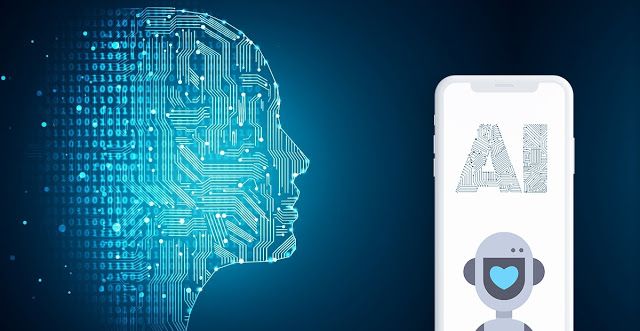
At its core, AI refers to the simulation of human intelligence in machines. This can include anything from machine learning, where computers are trained to analyze data and make decisions, to natural language processing, which allows AI systems to understand and respond to human speech.

AI-powered tools help businesses automate tasks, optimize processes, and deliver personalized customer experiences. Whether it’s using AI chatbots to respond to customer inquiries or leveraging data analysis to predict market trends, the possibilities are endless.
How AI is Revolutionizing Industries
From healthcare to finance, AI is making a significant impact across various sectors. Here are a few examples:
- Healthcare: AI is helping doctors analyze data faster and more accurately, leading to better patient outcomes.
- Finance: Banks and financial institutions are using AI for fraud detection, risk management, and personalized customer service.
- Retail: AI-driven recommendations and personalized marketing are helping businesses boost sales and customer satisfaction.

Benefits of Implementing AI in Your Business
Adopting AI can bring a wide range of benefits for businesses, including:
- Improved Efficiency: Automate routine tasks to free up time for strategic activities.
- Better Decision-Making: Analyze large data sets to make informed decisions quickly.
- Cost Savings: Reduce costs by automating processes and reducing human error.
- Personalization: Offer customized products and services based on customer data.

The Future of AI: What’s Next?
As technology continues to evolve, AI will become more integrated into everyday business operations. From smart assistants to predictive analytics, the future is bright for AI-powered innovation. By staying ahead of these trends, businesses can maintain a competitive edge and continue to grow.