In today’s competitive market, businesses generate vast amounts of data every day. From customer behavior and sales figures to website traffic and operational performance, data is everywhere. However, without the right tools, this data is just noise. Enter data analytics, a powerful tool that transforms raw information into actionable insights.
What is Data Analytics?
Data analytics involves using specialized software to process, analyze, and interpret data. By uncovering patterns, trends, and correlations, businesses can make informed decisions, optimize operations, and predict future trends.

The Importance of Data-Driven Decision-Making
- Improved Accuracy: Data eliminates guesswork, ensuring decisions are based on real evidence.
- Faster Decision-Making: Data analytics tools can process large amounts of information in seconds, allowing businesses to respond quickly to changes in the market.
- Competitive Edge: By understanding customer behavior, businesses can stay ahead of trends and offer exactly what customers are looking for.
How Data Analytics is Used Across Industries
Retail: Retailers use data to optimize stock levels, enhance customer experiences, and predict shopping trends.
Healthcare: Hospitals leverage data analytics to improve patient outcomes by identifying potential health risks early.
Finance: Banks use data to assess credit risks, prevent fraud, and offer personalized financial services to clients.

Types of Data Analytics
- Descriptive Analytics: Provides insights into what happened in the past.
- Predictive Analytics: Uses historical data to predict future trends and behaviors.
- Prescriptive Analytics: Suggests actions to take for optimal outcomes.
Why Your Business Needs Data Analytics
No matter your industry, data analytics offers the ability to enhance decision-making, improve customer satisfaction, and drive profitability. Whether you are a startup or an established enterprise, investing in data analytics can help you make smarter decisions and gain a competitive advantage.
Understanding Artificial Intelligence (AI)
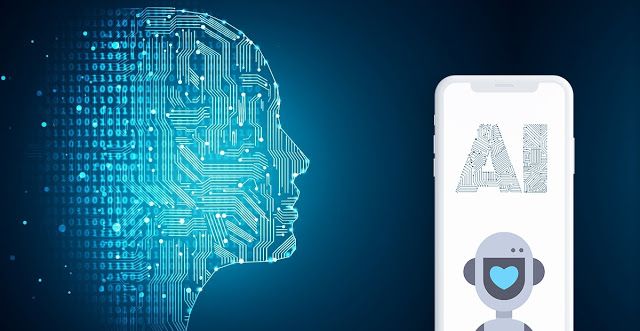
At its core, AI refers to the simulation of human intelligence in machines. This can include anything from machine learning, where computers are trained to analyze data and make decisions, to natural language processing, which allows AI systems to understand and respond to human speech.

AI-powered tools help businesses automate tasks, optimize processes, and deliver personalized customer experiences. Whether it’s using AI chatbots to respond to customer inquiries or leveraging data analysis to predict market trends, the possibilities are endless.
How AI is Revolutionizing Industries
From healthcare to finance, AI is making a significant impact across various sectors. Here are a few examples:
- Healthcare: AI is helping doctors analyze data faster and more accurately, leading to better patient outcomes.
- Finance: Banks and financial institutions are using AI for fraud detection, risk management, and personalized customer service.
- Retail: AI-driven recommendations and personalized marketing are helping businesses boost sales and customer satisfaction.

Benefits of Implementing AI in Your Business
Adopting AI can bring a wide range of benefits for businesses, including:
- Improved Efficiency: Automate routine tasks to free up time for strategic activities.
- Better Decision-Making: Analyze large data sets to make informed decisions quickly.
- Cost Savings: Reduce costs by automating processes and reducing human error.
- Personalization: Offer customized products and services based on customer data.

The Future of AI: What’s Next?
As technology continues to evolve, AI will become more integrated into everyday business operations. From smart assistants to predictive analytics, the future is bright for AI-powered innovation. By staying ahead of these trends, businesses can maintain a competitive edge and continue to grow.